
Diabetes Emergency Guide: Hypoglycemia, Hyperglycemia, and When to Call an Ambulance
A practical guide to diabetic emergencies including hypoglycemia, hyperglycemia, and diabetic ketoacidosis -- recognize the symptoms and know when to call for professional help.
💡Key Takeaways
- Hypoglycemia (Low Blood Sugar): Trembling, sweating, and confusion require immediate action.
- Hyperglycemia (High Blood Sugar): Excessive thirst, frequent urination, and fruity breath odor are danger signs.
- Diabetic Ketoacidosis (DKA): A life-threatening condition that demands an immediate ambulance call.
- Emergency Kit: Diabetic patients should always carry a glucagon kit and a blood glucose meter.
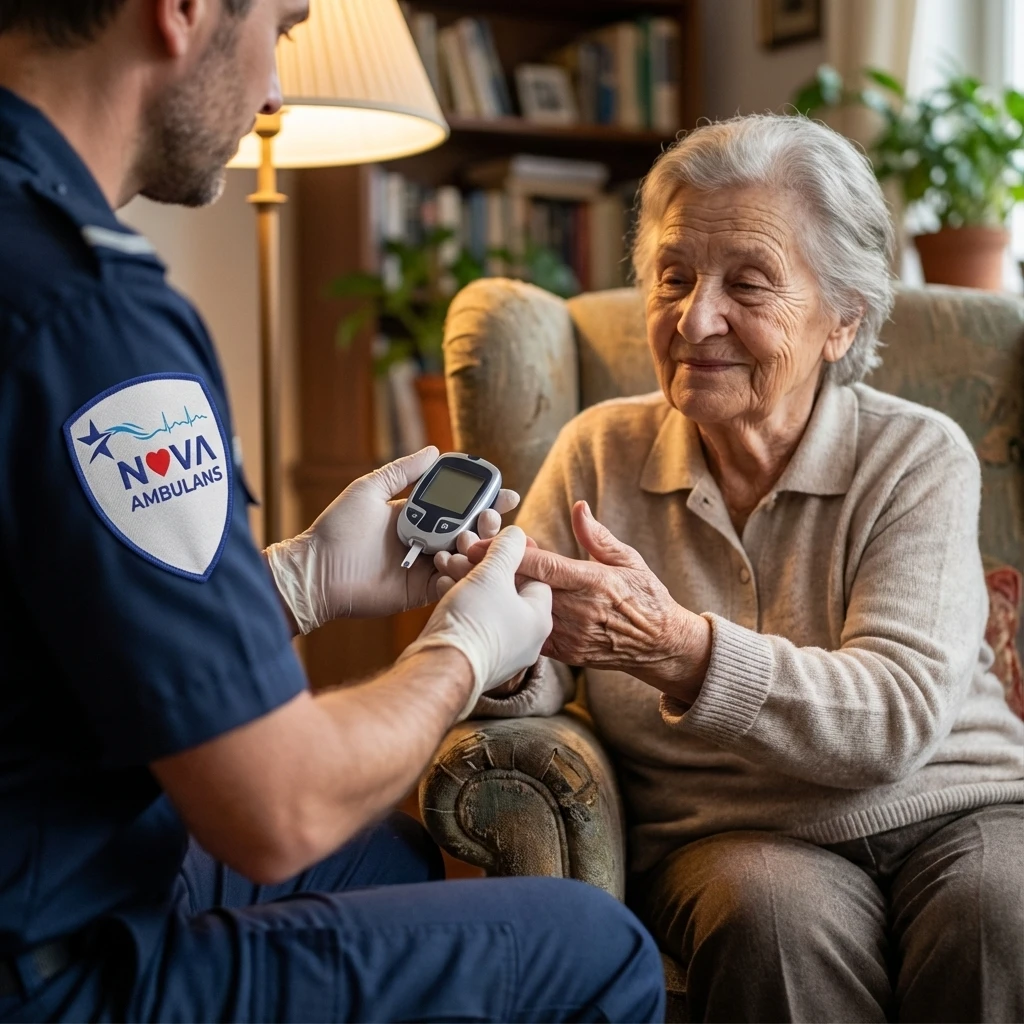
Diabetes affects hundreds of millions of people worldwide and is one of the most common chronic conditions managed across all age groups [2]. While it can be controlled with regular monitoring and treatment, sudden drops in blood sugar (hypoglycemia) or dangerous spikes (hyperglycemia) can create life-threatening emergencies within minutes [1]. This guide explains how to recognize the warning signs, what first aid steps to take, and when to call an ambulance.
What Is Hypoglycemia (Low Blood Sugar)?
Hypoglycemia occurs when blood glucose falls below 70 mg/dL [1]. It typically develops after an excessive insulin dose, a skipped meal, or intense physical exercise. It is one of the fastest-developing and most dangerous diabetic emergencies.
Recognizing the Symptoms
- Early signs: Hand tremors, cold sweating, sudden hunger, heart palpitations.
- Progressing signs: Dizziness, difficulty concentrating, irritability, slurred speech.
- Severe signs: Loss of consciousness, seizures.
First Aid for Hypoglycemia
- If the patient is conscious: Give 15-20 grams of fast-acting sugar immediately [1] -- 4-5 sugar cubes, half a glass of fruit juice, or glucose tablets. Wait 15 minutes and re-check blood sugar. Repeat if levels have not risen.
- If the patient is unconscious: Never give anything by mouth -- this can cause choking [1]. If a glucagon injection kit is available, administer it according to the instructions. Then call 112 or Nova Ambulans without delay.
Important: After any severe hypoglycemic episode, even if the patient recovers, medical evaluation is strongly recommended. [1]
Hyperglycemia (High Blood Sugar) and Diabetic Ketoacidosis
When blood sugar remains elevated for a prolonged period (generally above 250 mg/dL), the body begins burning fat for energy, producing acidic byproducts called ketones [1]. This condition is known as Diabetic Ketoacidosis (DKA) -- a serious, potentially fatal medical emergency that requires intensive care [1].