
When to Call an Ambulance for Seizures?
Learn in which symptoms you should call 112 or Nova Ambulans in seizure/convulsion situations seen in children and adults and the ambulance process.
💡Key Takeaways
- Emergency: Call 112 if the seizure lasts longer than 5 minutes or breathing stops.
- First Aid: Turn the patient to the side, protect their head, and do not put objects in their mouth.
- Observation: Note the duration and form of the seizure and report to the physician.
- Private Ambulance: Can be preferred for safe and supervised transport after seizure.
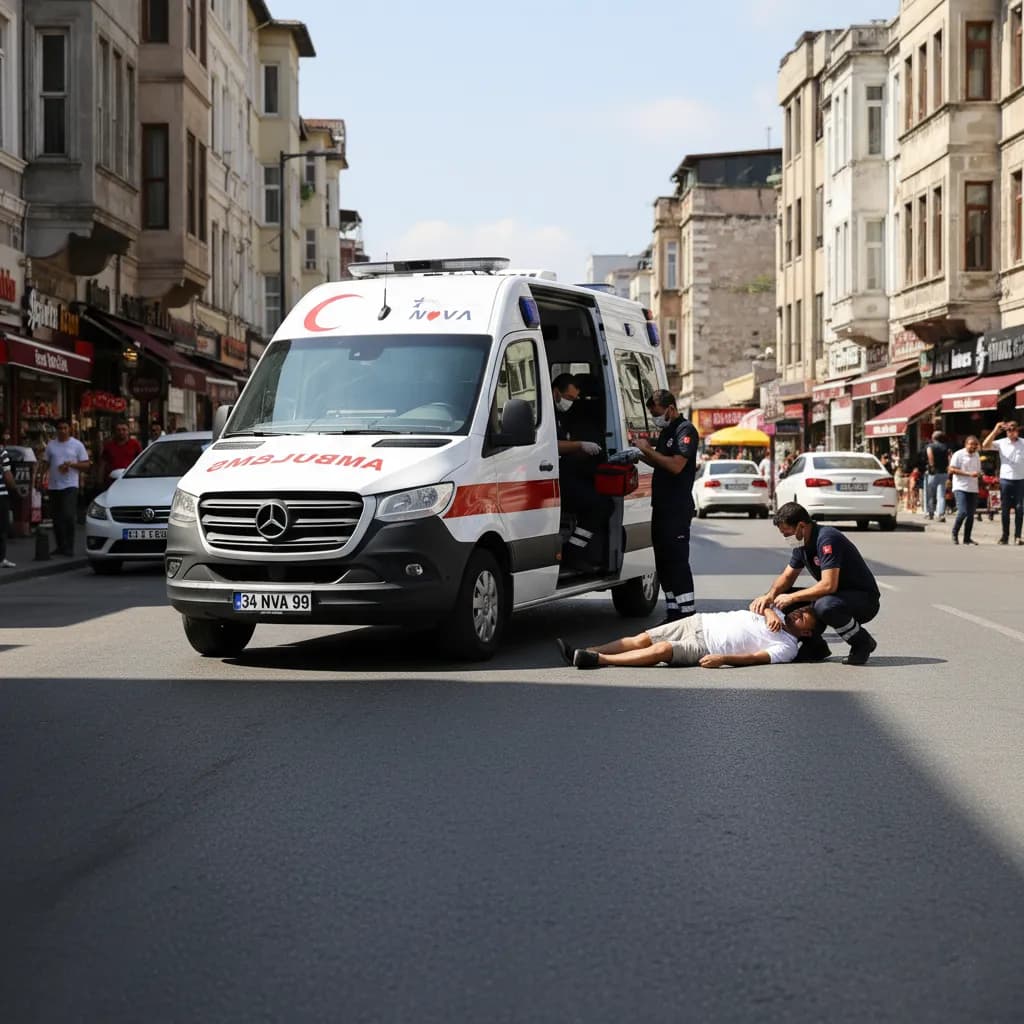
Seizure or convulsion as frequently used among the public is an extremely frightening picture for families, especially in children. While some short-lasting seizures can be simple and benign, some can carry life risk. In this article, we explain when you should call an ambulance in seizure and convulsion situations and what you can do while waiting.
What is Seizure and Convulsion?
- Seizure: A condition where consciousness and movements change temporarily, caused by sudden and uncontrolled electrical discharges in the brain.
- Convulsion: Generally used to describe seizures seen in children due to high fever.
Even if every seizure does not necessarily mean life risk, it should be taken seriously if it is experienced for the first time or lasts long.
When Should You Call 112 or Nova Ambulans?
If even one of the following situations exists, call 112 or Nova Ambulans without delay:
- If the seizure lasts longer than 5 minutes or seizures come one after another
- If the patient still does not wake up after the seizure, breathing is irregular or very slow
- If the patient turns blue or seems not breathing during the seizure
- If the seizure started after a blow to the head, falling from a height, or an accident
- If having a seizure for the first time (especially in children)
- If a seizure developed in a pregnant person or someone with known serious heart/diabetes disease
This picture requires professional emergency medical evaluation.
What Should You Do While Waiting for Ambulance?
Dos and don'ts during a seizure are vital:
- Try to put the patient in side position; so their tongue does not fall back, vomit does not go into the airway.
- Remove hard and sharp objects around; put a soft support under their head.
- Loosen their clothes around the throat.
- Absolutely do not put an object in their mouth, do not place anything to prevent them from biting their tongue.
- Note the duration and form of the seizure (arm-leg movements, eye rolling, bruising) if possible or take a video; this information is valuable for the physician.
When the seizure ends, the patient may be sleepy; watch their breathing and color in a calm environment.
What is the Role of Private Ambulance?
In suspicion of life risk, 112 or Nova Ambulans can be called. 112 generally provides fast transport to the nearest public hospital with its wide station network. Nova Ambulans offers a more flexible solution for your private hospital preferences.
Note: Private hospitals may not accept patients according to capacity status. In such a case, Nova Ambulans finds an alternative private hospital or transports the patient to the nearest public hospital.
Also, private ambulance can come into play if:
- Planned transport is required for advanced tests and follow-up after seizure,
- Your doctor says "supervised transport would be safer",
- Especially transport to distant centers or intercity is planned.
Private ambulance teams become prepared with medication and equipment against possible re-seizure on the way.
Frequently Asked Questions
Can I understand the difference between simple febrile convulsion and epileptic seizure at home?
It is often not possible to make this distinction definitely at home just by looking at the picture. Therefore, emergency medical evaluation is definitely required especially in first seizure, long-lasting seizure, or situations where recovery is delayed afterwards.
Is it right to put something in the patient's mouth during a seizure?
No; putting a spoon, cloth, finger, or any object can lead to tooth fracture, airway obstruction, and additional injuries. The most correct thing is to put the patient in side position, protect their head, and ensure the airway remains open.
Should I try to wake the patient after the seizure?
Short-term sleep and dizziness are frequently seen after a seizure and are not a bad sign alone. However, if there is deterioration in breathing, significant asymmetry, re-seizure, or very long unconsciousness, it is necessary to call 112 or Nova Ambulans without delay.